
Executive Summary
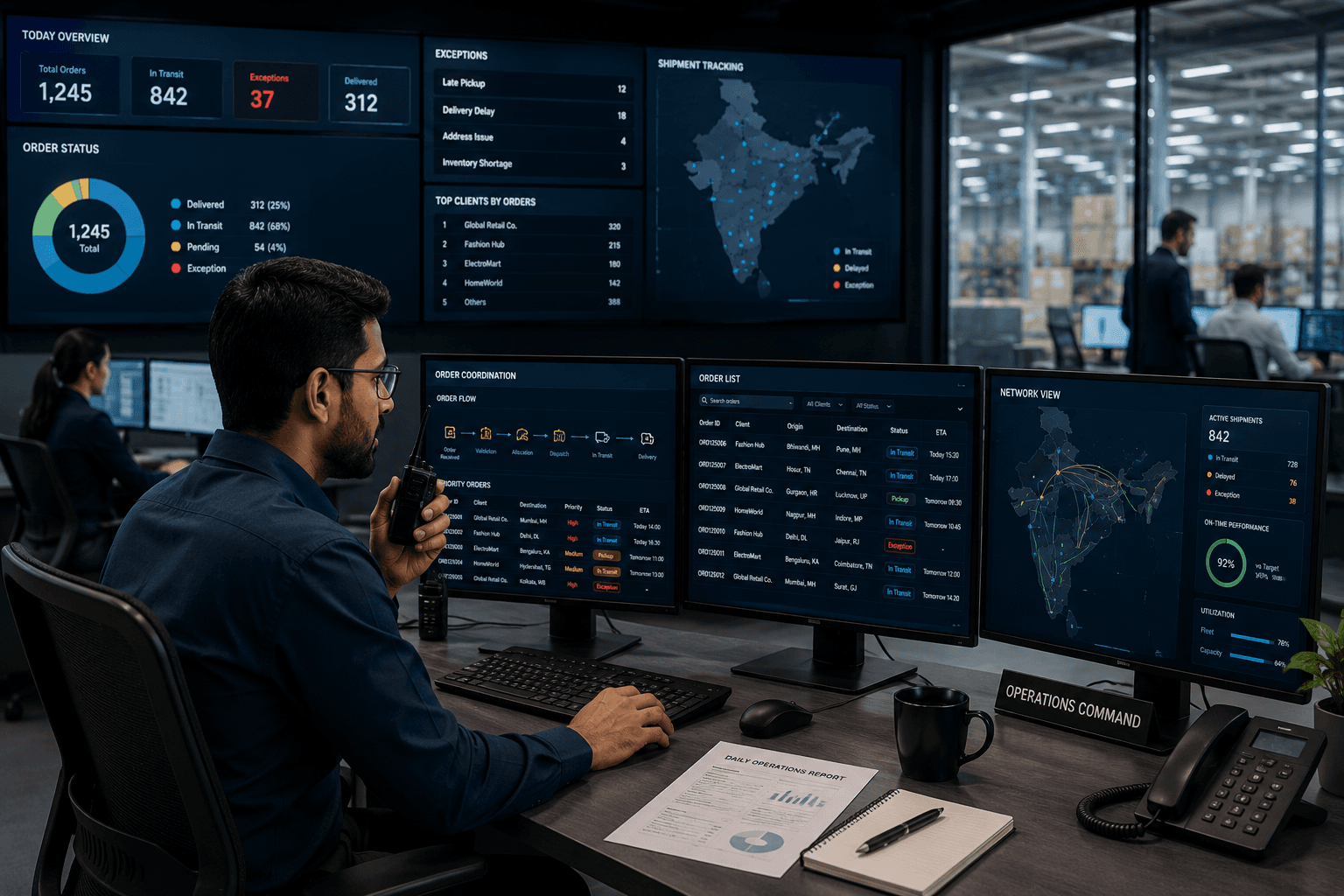
Operations teams across retail and 3PL networks still begin each day by manually stitching together orders, capacity, routes, and partner commitments. What leadership often labels a planning team problem is actually an operating-model failure: there is no single system of record for demand and commitment.
Customers do not want better spreadsheets. They want planning confidence — defensible routes, visible trade-offs, and dispatch that starts on time without heroic intervention.
The Problem
Delivery planning takes hours every day because planners reconcile ERP extracts, OMS backlogs, marketplace orders, and partner commitments inside tools that were never designed to be an operational system of record. Local knowledge fills the gaps — which works until volume, SLA density, or city expansion breaks the model.
The business problem is predictable: dispatch starts late, routes are rebuilt under pressure, and field teams inherit plans that already contain compromise. Finance sees rising cost per stop while customer experience teams field preventable complaints.
- Why it happens: fragmented demand, manual route building, experience-based allocation, phone-driven exceptions
- Operational impact: delayed dispatch, resource imbalance, planner burnout, reactive control room
- Why traditional approaches fail: human optimization cannot scale; every operational change forces full replanning
The Framework
The Planning Confidence Loop™ names the shift from daily reconstruction to governed orchestration: unified demand ingestion, constraint modeling, route commitment, live monitoring, and replanning inside one operating system — not a sidecar spreadsheet.
Executives use this loop to diagnose where time is lost. Most organizations stall at step one — demand never becomes operational truth before planning begins.
Planned exhibit: Planning Confidence Loop. No chart or benchmark data has been published.
Deep Dive
In retail commerce, morning planning windows compete with promise-time cutoffs and store-backroom readiness. A planner who spends three hours building routes may leave insufficient time for exception handling when attendance or traffic shifts.
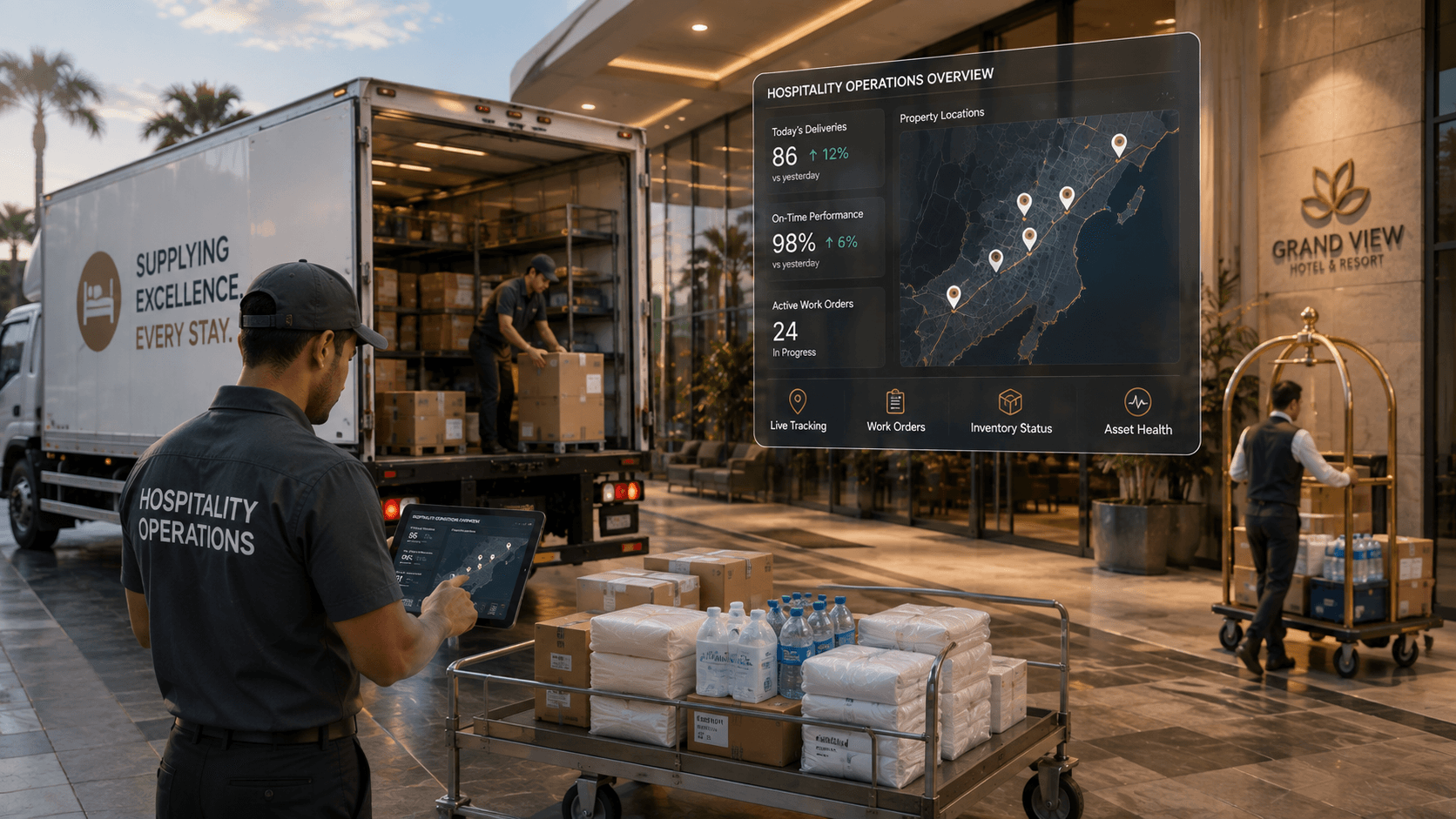
In 3PL environments, multi-client constraints amplify the problem. Separate spreadsheets per client create invisible cross-client conflicts — hub capacity, shared fleet, and partner SLAs collide without a governed planning layer.
Leaders who have solved this problem treat planning as a platform capability: business rules encode client separation, AI optimization proposes routes planners can explain, and Control Tower surfaces risk before customers feel it.
- Retail: cut-off times turn planning delay into missed promise windows
- 3PL: client-specific rules require governed logic, not heroic planners
- Field execution: late plans increase override rates and proof-of-delivery disputes
Planned exhibit: Morning planning to dispatch workflow. No chart or benchmark data has been published.
Logibee Perspective
Logibee addresses daily planning marathons by unifying demand, applying AI route intelligence with explainable trade-offs, and connecting planning directly to dispatch and field execution. Connect™ brings ERP, OMS, and partner data into one operational layer so planners stop reconciling and start committing.
The outcome leadership should expect is measurable: faster planning cycles, lower cost per stop, better resource utilization, and SLA compliance that survives the first hour — not a prettier planning report.